Seeing a dead person alive in a dream
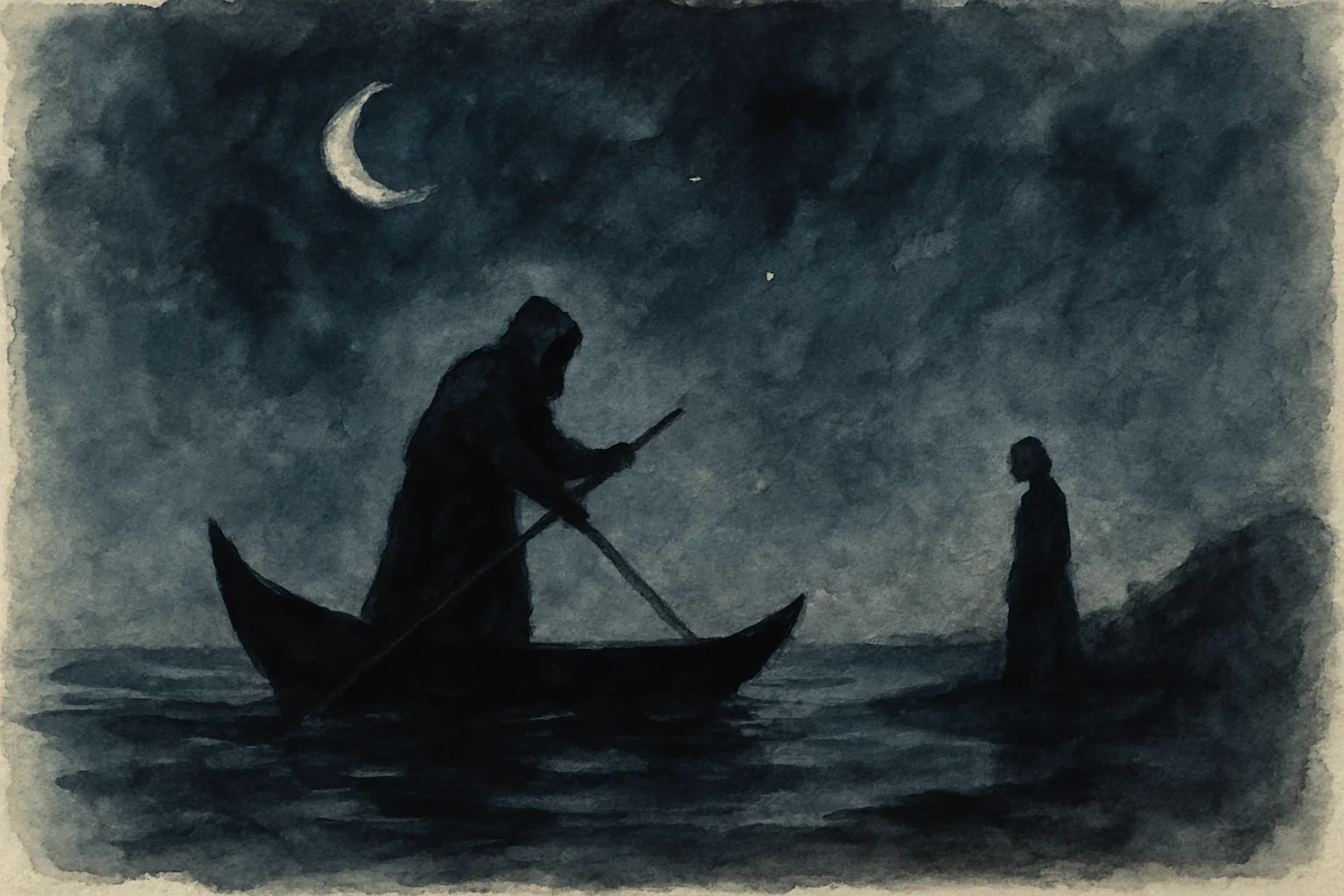
In the dream they are simply alive. Your father is in the garden, your grandmother is pouring tea, your husband is asking what you want for dinner. Often nobody mentions the death at all. Then you wake, and for a moment you have to learn the loss again. Dreams in which a dead person is alive are some of the most vivid in grief, and the waking can be harder than the dream. This page looks at what they may mean.
Why the dead appear alive in dreams
The dreaming mind does not keep a calendar. It works with images and feelings, and the person you loved is stored there as a living presence, years of them. When they appear in a dream, they tend to appear as they were in life, because that is how the psyche knows them. Seen this way, the dream is not denying the death. It is drawing on the part of you where they are still whole.
Jung had such a dream himself. Some weeks after his father died, he dreamt his father stood before him, recovered, saying he was coming home. In his memoir he recalls being troubled by it and returning to it more than once. He did not treat it as a visitation or as nonsense. He let the dream raise its question: what does it mean that the dead return, in the psyche, as living?
When they do not know they are dead
This is the version people search for most. The person behaves as if nothing has happened, and you alone know. Sometimes you try to tell them; sometimes you protect them from it. One interpretation is that the dream pictures the gap between what you know and what you have absorbed. The mind has the fact; the heart is still catching up.
Another interpretation looks at the subjective level. A dead person who is unaware of their death may stand for a part of you that has not yet registered how much has changed, a way of living that still assumes they are there.
When you know, and they know
Some dreams are different: the person is alive and both of you seem to know they have died. These dreams often feel calm and deliberate, like a visit with a beginning and an end. They tend to come later in grief, and many people describe them as a kind of goodbye. Whatever you believe about them, the feeling of completion is real, and it is worth keeping.
Seeing your dead father alive in a dream
A father who appears alive often brings the questions that ran through the relationship: approval, protection, authority, the things he taught you to do. If he is as he was before he became ill, the dream may be restoring the father you want to remember. If he looks at you with judgement, it may picture an inner voice of his that is still active. Some readers ask about Hindu meaning. In Hindu tradition the ancestors are remembered in the shraddha rites and during Pitru Paksha, and some families take such a dream as a reminder to honour him. The Jungian method respects that and adds a question of its own: what of his is coming alive in you? There is more on the dead father dream page.
Seeing your dead grandmother alive in a dream
A grandmother alive in a dream frequently comes with the sensory details of childhood: her kitchen, her smell, her chair. These dreams often arrive when life has become hard and you are missing the warmth she offered. People ask about biblical or spiritual meaning. Scripture records God speaking in dreams, but gives no teaching on dead relatives appearing in them, and many Christians simply receive such a dream as comfort. From the Jungian view, she may also picture an older, steadier part of you that knows how to care. See the page on your dead grandmother.
Dreaming your dead husband is alive
For widows, the dream that a husband is alive can be painfully ordinary: him in the kitchen, the two of you arguing about the car. Waking alone after that is a particular grief. The dream may be giving the marriage room to continue in you, which is part of how love changes shape after a death. If you are starting to build a life without him, the dream may also be weighing what you carry forward. Neither interpretation asks you to stop loving him. Spiritual or biblical interpretations of the dream vary by tradition; whichever you hold, the feeling it leaves is worth honouring.
The father at the bus stop
The dream below is invented for illustration. It shows the method, not anyone's real dream.
“My dad is waiting at a bus stop in his work coat, perfectly healthy. I know he died last spring but he obviously does not. I decide not to tell him. The bus comes and he says, you take this one, I will get the next.”
Image
A dead father, well and in his working clothes. The dreamer's secret knowledge of his death. A bus he gives up for her.
Journeys and departures are old images of death and transition. Letting someone else go first is an image of handing on.
Association
The dreamer says her father took the same bus to the depot for thirty years. Since his death she has been running his small business, half-sure she has no right to.
Compensation
Awake, she feels she is taking his place without permission. In the dream he gives her the seat. It compensates for that guilt by picturing a handover he never had time to make in life.
One interpretation among several: her father is still, in her, the steady working man, and he is making room. The secret she keeps from him may show how much she has protected him, and herself, from the finality of the loss.
Practice
Write a short letter from him to her, in his words, about the business. Do not edit it. Keep it somewhere she will see it on Monday mornings.
What to do when you wake
The first minutes are often the hardest. Let them be hard. It can help to say plainly, out loud or on paper, that you dreamt they were alive and that you miss them. Then write the dream down, including the moment you realised, or did not, that they had died.
Later, ask what they were doing in the dream, and whether that activity, or quality, belongs in your life now. The guide to dreams about death sets out the wider symbol, and the hub for dreams about people who have died lists every related page.
When to talk to someone
These dreams are a normal part of grief. It is worth speaking to a GP, a therapist or a grief support service if waking from them leaves you unable to function, if you dread sleep, or if grief months later still fills most of each day. In the UK, Cruse Bereavement Support is free; hospices and doctors elsewhere can point you to local services. If you are having thoughts of ending your life, contact Samaritans on 116 123 in the UK or call 988 in the US.
Common questions
What does it mean when you see a dead person alive in your dream?
It often means the bond is still alive in you while the mind absorbs the loss. In the Jungian method the person may also picture a quality of theirs coming alive in your own life. Whether they seemed to know they had died changes the meaning.
Why do I dream my dead father is alive?
A father alive in a dream tends to bring the themes of the relationship back: approval, protection, guidance. The dream may restore the father you want to remember, or show an inner voice of his still at work in you. Neither interpretation is a prediction.
What is the spiritual meaning of seeing a dead grandmother alive in a dream?
Traditions differ. Many people of faith take it as comfort, and some see it as a visit. The Jungian view treats the dream as a real event in your inner life, often bringing the warmth and steadiness she once gave you.
Is it normal to dream my dead husband is alive?
Yes. It is one of the most common dreams in widowhood and can continue for years. It may give the marriage room to go on in you while your life changes shape.
Written by the Coniunctio editorial team and reviewed against our editorial standards. Coniunctio offers reflection, not diagnosis or prediction. If a dream is tied to distress, please speak to a professional.
Related guides
What is Coniunctio?
A dream can stay with you all day and still make no sense. Coniunctio analyses it in Jung's method, symbol by symbol, so you can see what it is working on and what to do with it.
- A Jungian analysis of your dream, symbol by symbol
- A ritual to work with it: three offered, you choose one
- Follow-up questions and notes on every analysis
- A dream archive that grows as you feed it
“Who looks outside, dreams; who looks inside, awakes.”