How to stop recurring dreams
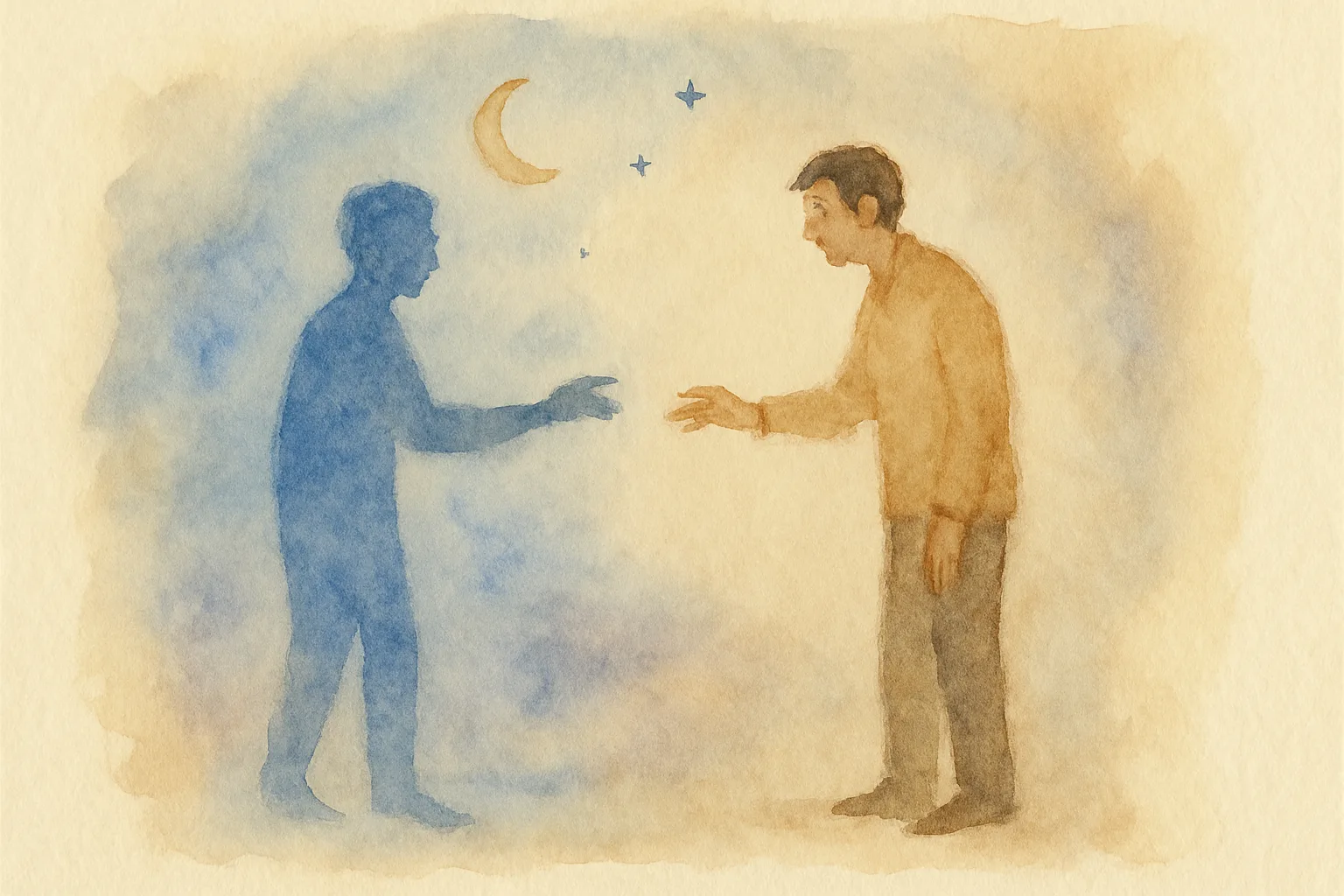
A recurring dream can wear you down. You recognise it from the first image and know how it ends. Most people who search for how to stop one want relief, and that is a fair thing to want. The approach below takes the dream seriously enough that it has a reason to change, which is usually the most reliable way for it to stop.
Why recurring dreams keep coming back
Jung held that the psyche regulates itself. Dreams compensate for what the conscious attitude leaves out. When a dream recurs, the simplest explanation is that its point has not been taken up. Trying to suppress it rarely works; the dream has not been heard yet. Our hub on recurring dreams sets out the wider pattern.
This does not mean every recurring dream is a profound message. Some are habits of the sleeping mind, revived by stress. But even then, the stress is real and worth attending to.
Step one: write it down every time
Keep a notebook by the bed and record the dream each time it comes, even if it seems identical. Add one line about the previous day. Over a few weeks you will usually see two things: what tends to bring the dream on, and that it is not quite identical after all. Our guide to keeping a dream journal covers the practicalities.
Step two: find what it is tracking
Look at the dates. Does the dream arrive before deadlines, after calls with a particular person, in the week of an anniversary? The trigger is often obvious once written down. Then ask what the image has to do with that situation. A dream of being chased that comes before every hard conversation is probably about the conversation.
The pages on the most common recurring dreams can help here: teeth falling out and being chased each have their own patterns.
Step three: meet the dream while awake
Choose a quiet ten minutes. Recall the dream up to its most difficult moment and stay there, imagining what happens next without forcing it. Jung called this active imagination. The aim is not to win but to see what the image does when you stop running from it. Many people find that the pursuer, the flood or the locked door behaves differently when met calmly in waking.
Some therapists use a related, structured method called imagery rehearsal, in which the dreamer writes a changed version of a nightmare and rehearses it during the day. It is designed for frequent nightmares and is best learned with a clinician.
Step four: change something in the day
If the dream is tracking a waking situation, the most direct way to stop it is to act in that situation, even slightly. Have the conversation. Make the decision. Admit the grief. Recurring dreams often fade once their subject is faced, or they shift into a new form that shows where you are now.
The exam that will not end
The dream below is invented for illustration. It shows the method, not anyone's real dream.
“I am back at school sitting an exam I haven't revised for. I turn the paper over and the questions are in a language I don't know. I have had this dream since university. Last night, for the first time, I put my pen down and walked out. Nobody stopped me.”
Symbols
An exam, a test set by others. An unknown language. A pen put down. A door that opens without resistance.
The examination dream is old and widespread: being judged on something you were never taught.
Analysis
The dreamer is in her forties. She has been keeping a record for two months and noticed the dream comes before meetings with her manager, who praises her and then asks for more. She describes herself as conscientious.
Her conscious attitude is that she must meet every standard set for her. The dream has long countered with a test she cannot pass. Last week she told her manager that a new project would need more time. That night she walked out.
One interpretation among several: the dream changed because she did. Walking out is not failure but the first refusal of an impossible test.
Ritual
Write the exam's first question in plain English, as you imagine it would be. Then write a one-line answer that you would accept from a friend.
Habits that help sleep
Ordinary sleep habits make a difference to how vivid and disturbing dreams feel. A regular bedtime, less alcohol late at night and a calmer last hour before sleep are sensible first steps. These do not address what the dream means, but they can lower its volume while you work on that.
It also helps to stop treating the dream as an enemy. People who dread a recurring dream often sleep worse, and poorer sleep can make the dream more vivid. Approaching it with curiosity, as something to be understood, tends to take some of the dread out of bedtime.
When to talk to someone
If a recurring dream is a nightmare that wakes you several times a week, follows a frightening or traumatic event, or leaves you dreading sleep, speak to your doctor or a therapist. Frequent nightmares are treatable, and you do not have to manage them alone. Our guide to nightmares has more on this.
Common questions
How do I stop having a recurring dream?
Write it down each time, find the waking situation it tracks, and engage the image while awake. Changing something in that situation often changes the dream. For frequent nightmares, a doctor or therapist can help.
Can you stop a recurring dream on purpose?
You usually cannot switch one off directly. You can work with it so it has less reason to return, and many people find the dream shifts as they do.
Why won't my recurring dream go away?
From the Jungian view, because its point has not yet been taken up. Stress and poor sleep can also keep an old dream habit alive.
When should I get help for recurring nightmares?
If they wake you several times a week, follow a traumatic event or leave you dreading sleep. A doctor or therapist can offer treatments designed for nightmares.
Written by the Coniunctio editorial team and reviewed against our editorial standards. Coniunctio offers reflection, not diagnosis or prediction. If a dream is tied to distress, please speak to a professional.
Related guides
What is Coniunctio?
A dream can stay with you all day and still make no sense. Coniunctio analyses it in Jung's method, symbol by symbol, so you can see what it is working on and what to do with it.
- A Jungian analysis of your dream, symbol by symbol
- A ritual to work with it: three offered, you choose one
- Follow-up questions and notes on every analysis
- A dream archive that grows as you feed it
“The dream is a little hidden door in the innermost and most secret recesses of the soul, opening into that cosmic night which was psyche long before there was any ego-consciousness.”